
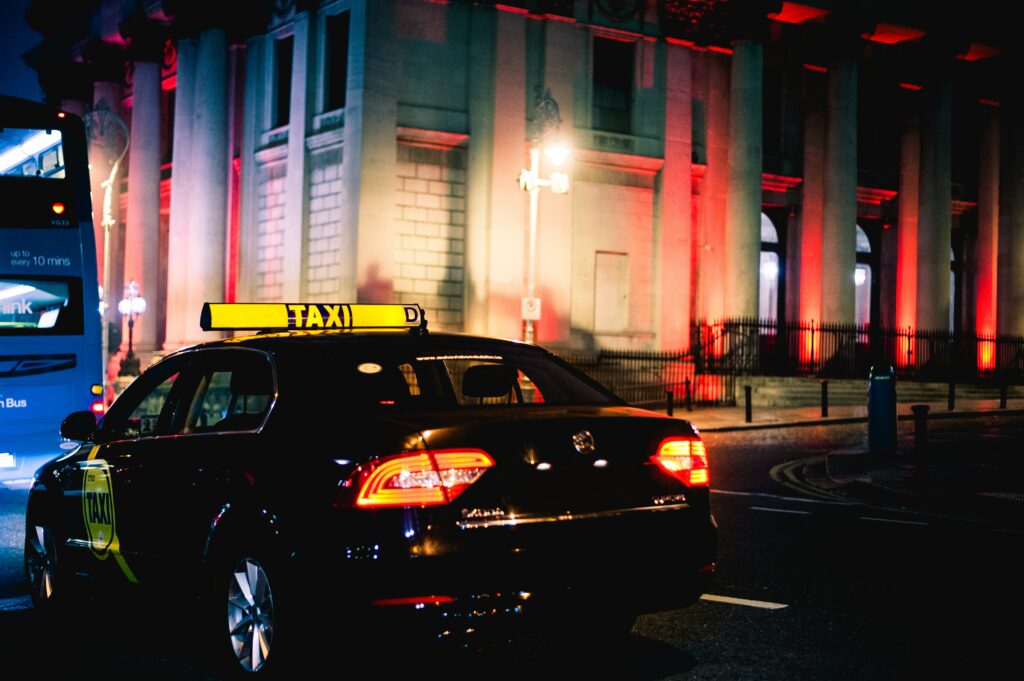
I have always believed that the job is less about the glamour and more about the ledger of small, cold decisions. Tonight, standing under a rain-slick streetlamp in a town that smells of peat and diesel, that ledger felt heavier than it ever had. The map in my head — safe houses, routes, names — folded itself into a single, terrible fact: we had been seen.
The first rule is to accept the reality you are handed. Denial is a luxury for those who can afford time. I moved through the acceptance like a surgeon through tissue, precise and unhurried. There was no shouting, no cinematic sprint. There was a phone call, a single word to a single trusted contact, and then the slow, methodical unspooling of contingency plans we had rehearsed until they were muscle memory.
Ireland is a place that keeps its own counsel. The landscape is generous and indifferent, the people hospitable and wary. It is also porous in ways that matter to men and women who traffic in secrets. Borders are not only lines on a map; they are habits, loyalties, and histories. We had misread one of those habits. A courier lingered too long at a crossroads. A local pub keeper remembered a face. A photograph, taken for reasons that now seemed trivial, found its way into the wrong hands. That is how the world narrows: not with explosions but with recollection.
The second rule is to protect the living. Names are currency, and I had to decide which accounts to freeze. I thought of the junior officer who had laughed too loudly at a briefing, of the analyst who kept a photograph of her child on her desk. I thought of the Irish contact who had trusted us with a safe house. There is a cruelty to these calculations that never softens. You weigh risk against loyalty, and then you act. I ordered the extraction of those who could be moved without drawing attention. For the others, we created distance and plausible explanations. The truth, when it arrives, must be manageable.
We worked with what we had. The third rule is to use the terrain. The West Coast offers cover in its weather and its people. We used the fog as a curtain and the small roads as veins. I sat in a rented car while my team dispersed like chess pieces, each with a single, unambiguous instruction. We did not attempt to outgun the problem. We outthought it. Surveillance was counter-surveillance. Questions were answered with silence. When the local Garda asked routine questions, we gave routine answers. Routine is a powerful ally.
There is a peculiar intimacy to being compromised. It forces you to look at your own methods as if they were someone else’s. I found myself cataloguing mistakes with an almost clinical clarity. We had been too confident in a partner. We had underestimated the reach of a photograph. We had allowed optimism to masquerade as strategy. These are the lessons that do not make it into reports because they are too personal, too humiliating. Yet they are the ones who change how you run the next operation.
The fourth rule is to control the narrative. In the hours after the breach, stories began to form. Rumour is a contagion that moves faster than facts. We seeded a few controlled truths and let them settle. A misdirect here, a withheld detail there. The public does not need to know the architecture of a failure; they need to be reassured that the architecture still stands. That is not deception for its own sake. It is stewardship.
At dawn, after a night that felt like a long, slow interrogation of my own competence, I walked the quay and watched fishermen haul in nets. Their work was honest and immediate. It reminded me why we do what we do. Not for medals or headlines, but to preserve the ordinary — the small, unremarkable freedoms that allow people to live without fear. That thought steadied me.
We paid a price. There were apologies to make, explanations to craft, and a handful of careers that would be altered. I wrote the report that would be read in rooms with heavy curtains and heavier egos. I signed it with the same hand that had signed off on the operation. Accountability is not a performance; it is a responsibility you carry into the next briefing.
By the time the sun cleared the clouds, the immediate danger had been contained. The map in my head was redrawn, not with triumph but with caution. We had been caught, yes, but not broken. There is a difference between being exposed and being defeated. The latter requires surrender. I do not surrender.
The final rule is to remember. Memory is the only currency that buys better judgment. I filed away the names, the missteps, the small mercies. I called the Irish contact and thanked him in a way that meant more than words. I told the junior officer to take leave and see his family. I told the analyst to keep the photograph of her child where she could see it. These are the human stitches that repair what the ledger cannot.
When I closed the file that night, I did not feel vindicated. I felt older, perhaps, and a little more careful. The work will continue. There will be other nights, other rain-slick streets, other moments when the ledger demands a new entry. That is the nature of the job. We are custodians of a fragile peace, and sometimes custodians must learn from the times they are found wanting.
Outside, Ireland carried on with its quiet, stubborn life. Inside, we prepared for the next day.